THE VOICE OF GOODWILL
WITH
BROTHER RAY MAGEE
The Oldest African American Gospel Program on the airwaves of television in the Southern United States
Televised every Sunday ON WJTV, CBS 12 at 5:30am in Jackson, WLOX CBS 22, at 6:30 AM in Biloxi, Mississippi,
and global on The NOW Television Network at 9 AM. EST/8 AM CST. Reaching millions of lives each week!
View The Voice of Goodwill globally by clicking the link above
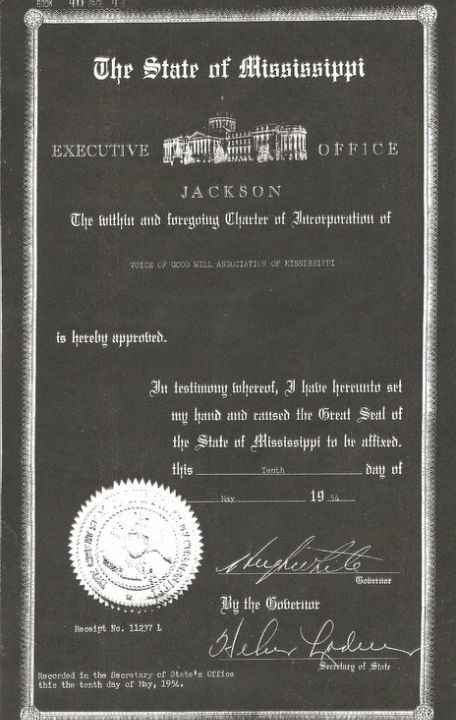
The Voice of Goodwill stands as the oldest African American gospel program on television in the Southern United States, and quite possibly the first of its kind in America. With more than seventy years of uninterrupted broadcasting, it remains America’s, African American, longest-running gospel ministry.
Founded in 1949 by Rev. Nathan Wheeler and Dr. Laurence C. Jones the visionary founder of the Piney Woods School in Piney Woods, Mississippi. The ministry emerged during a period when Black visibility in media was rare, discouraged, and often dangerous.
📻 Breaking the Sound Barrier: Radio Debut in 1952
The Voice of Goodwill first aired in 1952 on WBKH Radio in Hattiesburg, Mississippi. For many listeners, especially within the Black community, hearing a Black voice on the airwaves was astonishing—something previously unimaginable. The fifteen‑minute Sunday morning broadcast quickly drew the largest audience of any program in its time slot, surpassing both similar formats and competing stations.
📺 A Bold Leap to Television: 1955
In 1955, the ministry expanded to WDAM‑TV Channel 9 in Hattiesburg. This move marked the first African American gospel ministry to appear on television in the Southern United States. Its arrival challenged social norms and provoked backlash. Those involved with the broadcast endured intimidation, ridicule, and various forms of hostility simply for appearing on screen.
Yet the program persisted. Its presence became a quiet act of defiance—proof that Black spiritual expression belonged on television, even when society resisted.

Rev. Nathan Wheeler -Founder

Dr. Laurence C. Jones, Co-Founder
The Voice of Goodwill faced fierce resistance in its early years. Its founding minister, Rev. Nathan Wheeler, along with the singers and participants, endured a wave of hostility from dissidents who objected to their mission: bringing God’s word, gospel music, and scripture to listeners who could not regularly attend church, shut‑ins, the elderly, and anyone in need of spiritual encouragement.Opponents made their position brutally clear. They warned the group, “Y’all can do that in your churches, in y’all’s houses, on the street corners or in the pastures… but I be John Brown if you gonna do that mess over the radio or on television!”What followed was a period of intimidation meant to silence the ministry.
-
Obscenities were shouted at them.
-
Objects were thrown at their vehicle as they traveled to and from the studio.
-
They were run off the road on multiple occasions.
-
Written and telephone threats became routine.
-
Rev. Wheeler’s home was suspiciously burned.
One attack left Rev. Wheeler hospitalized after his vehicle was rammed and forced off the road. Although there were many suspects groups angered by the idea of African Americans having a visible, successful broadcast the Voice of Goodwill chose to follow the way of peace, refusing to retaliate despite the danger.Many would have abandoned the mission. But the ministry remained steadfast, determined then as now to continue spreading goodwill and serving as a voice for believers seeking to reach the lost.
While African Americans such as Ethel Waters, Nat King Cole, Mahalia Jackson and the cast of Amos 'n' Andy appeared on television before The Voice of Goodwill; those programs were produced, owned, and distributed by major broadcasting networks such as NBC, CBS, and ABC. The Voice of Goodwill was different. It is the first African American-owned and independently produced religious broadcast programs to secure its own presence on both radio and television, rather than being owned and controlled by a major network, The Voice of Goodwill owned and produced its own program, making it a pioneering achievement in African American broadcasting history.
Notable Figures
🎙️ Bro Ray MaGee’s Reflection
Bro. Ray MaGee, current producer and host of the Voice of Goodwill, often recalls being asked: “What is your proudest moment of the Voice of Goodwill?”
His answer reaches back to the teachings of Dr. Laurence C. Jones at the Piney Woods School: “As others have helped to make a better way for you, go forth from Piney Woods with determination to make a better way for others.”
Ray continues: “That is what we have tried to do in this ministry. When I see how the Lord protected and sustained us through the difficult times and seventy years later we are still here evidently, He is pleased with what we are doing. The historical Voice of Goodwill must be sanctioned by our Lord! I am thankful and proud to be part of its history. Yet I am most proud of the fact that every African American program on the airwaves today stands on a path the Voice of Goodwill helped pave, because we were the very first.”
